What Is a Cellar Door?
Cellar door is the Australian word for a winery's own tasting room. What it means, what a Barossa tasting actually involves, what it costs, and whether you need to book ahead.
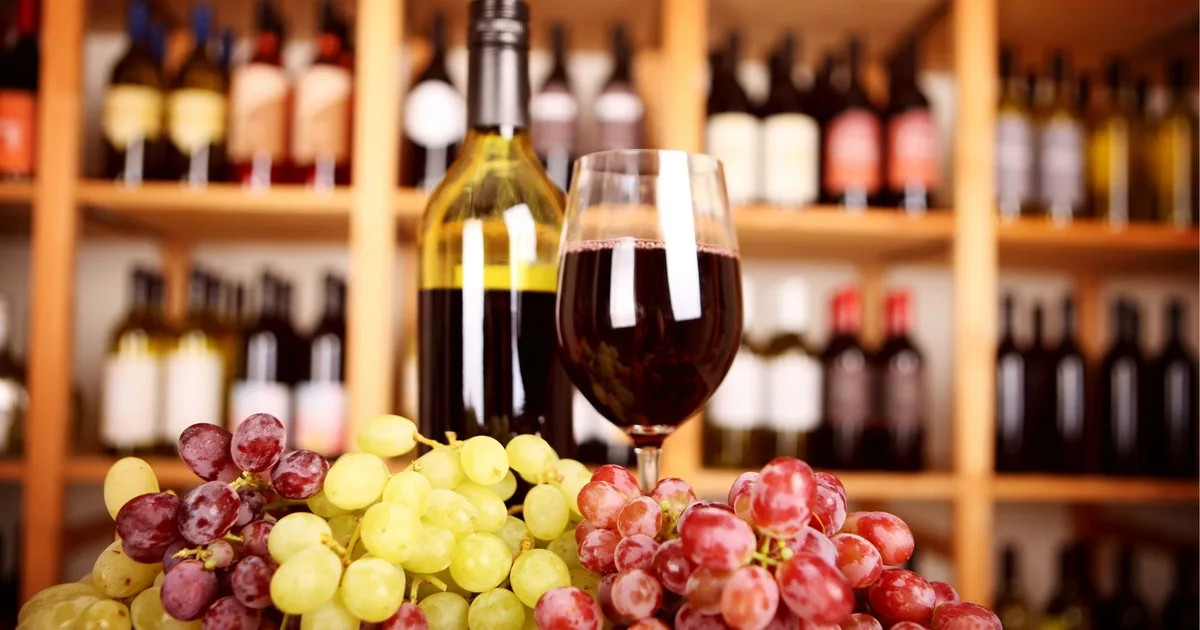
If you’re planning a wine trip in Australia, you’ll see the words cellar door everywhere, and for first-time visitors the meaning isn’t always obvious. Is it a shop? A tasting room? Part of the actual wine cellar?
In Australia, a cellar door is the place at a winery where visitors can taste and usually buy the winery’s wines — the local equivalent of a tasting room, although the experience can be far more than standing at a counter sampling a few pours.
Check Availability
In the Barossa, cellar doors range from small, relaxed tasting rooms where you may meet the winemaker to large historic estates offering seated tastings, vineyard tours, food pairings and premium wine experiences. With more than 150 wineries across the region and around 80 open to visitors, there is no single standard cellar door experience. Barossa official winery directory
What Does “Cellar Door” Mean?
Traditionally, wine was sold directly to customers from the winery itself — effectively from the door of the cellar. The name stuck, but today’s cellar door doesn’t necessarily involve an underground cellar at all.
A cellar door might be:
- a simple tasting counter inside a working winery
- a small room overlooking the vineyards
- a restored historic bluestone building
- a modern, purpose-built tasting room
- a restaurant and winery combined
- a private tasting space
- part of a larger wine tourism experience
The important part is that you’re visiting the producer rather than ordering their wine in a restaurant or buying it from a shop. In the Barossa, that usually means tasting close to the vineyard the grapes came from, with someone on hand to explain the vintage, the vineyard and the winemaking style as you go.
Is a Cellar Door the Same as a Wine Tasting?
Not exactly. Cellar door describes the place you visit. Wine tasting describes what you do there. Most Barossa cellar doors offer wine tastings, but the experience varies considerably from one to the next.
At one winery, you might taste five or six wines in an informal thirty-minute visit. At another, you could book a seated tasting lasting an hour or more, with premium wines, food pairings or a host guiding you through each pour. Some wineries also offer vineyard walks, barrel-hall tours or tastings of rare and aged wines. So when a listing says “cellar door tasting”, don’t assume every experience is the same — check exactly what’s included, and see our wine tour vs wine tasting comparison if you’re weighing that up against a full day out.
What Happens at a Barossa Cellar Door Tasting?
A typical tasting is straightforward, even if you know very little about wine. You’ll arrive, check in and be shown to a tasting counter or a table. A host will usually take you through a selection of the winery’s wines one at a time.
Depending on the winery and the tasting you’ve chosen, you may try:
- whites
- rosé
- Grenache
- Cabernet Sauvignon
- GSM blends
- Shiraz
- fortified wines
- single-vineyard wines
- premium or museum-release wines
The host will normally explain what you’re drinking, where the grapes were grown and anything interesting about the wine. You don’t need to identify ten aromas or know the terminology — asking simple questions is completely normal. If you like a particular wine, you can usually buy a bottle directly from the cellar door.
Why Are Cellar Doors Such a Big Part of Visiting the Barossa?
Because wine tasting here isn’t simply about drinking different wines. A cellar-door visit lets you connect the wine with the place it came from — tasting a Shiraz while looking across the vineyard its grapes were grown in, comparing wines from different parts of the region, or hearing directly from the people who made them.
The settings vary enormously too. Barossa cellar doors include heritage properties, family wineries, contemporary tasting rooms and small producers with intimate, one-on-one tastings. That variety is one reason it’s worth visiting several wineries rather than settling for just one.
Do You Need to Book Cellar Door Tastings in the Barossa?
Booking ahead is a good idea, particularly if there’s a winery you don’t want to miss. Some cellar doors accept walk-ins when space allows; others require a reservation for particular tastings.
Booking matters more if you’re visiting:
- on a weekend
- during holidays
- with a group
- a popular winery
- for a seated tasting
- for a premium tasting
- for a food-and-wine experience
- as part of a tightly planned itinerary
If you’re taking an organised Barossa wine tour, the operator normally handles the winery itinerary and reservations for you — one of the main advantages of touring rather than juggling several cellar-door appointments yourself.
How Much Does a Cellar Door Wine Tasting Cost in the Barossa?
There isn’t one standard tasting fee. Prices depend on the winery, how many wines you taste and whether you’re booking a basic tasting or something more elaborate.
As a rough indication, straightforward tastings at a number of Barossa wineries currently sit in the A$10–A$25 range. Premium tastings, private rooms, food pairings, aged wines and vineyard or winery tours can cost considerably more, and prices and policies change, so treat these figures as a planning guide rather than a fixed regional tariff. Some wineries apply the tasting fee toward a wine purchase — policies differ, so check before visiting if it matters to you.
Are Cellar Door Tastings Free?
Sometimes, but don’t assume they will be. Free tastings were once more common at Australian wineries, but many cellar doors now charge for structured tasting experiences — and that isn’t necessarily a downside. A paid tasting often means a reserved place, more time with the host and a more deliberate selection of wines, rather than a few quick samples on the way past. When comparing wineries, look at what the tasting includes, not only whether it’s free.
How Long Does a Cellar Door Tasting Take?
For a simple tasting, allow around 30–60 minutes. More involved experiences can take considerably longer. The biggest mistake when planning a Barossa wine-tasting day is trying to fit too many wineries into it — four relaxed tastings with time for lunch and the drive between them will usually feel better than racing through six or seven cellar doors just to tick them off a list.
If you’re building your own itinerary, allow time for:
- driving between wineries
- checking in
- the tasting itself
- browsing or buying wine
- taking photos
- lunch
- unexpected delays
If you’d rather not think about timing and logistics, a guided Barossa wine tour removes most of it.
What Wines Should You Try in the Barossa?
If there’s one wine strongly associated with the Barossa, it’s Shiraz. Barossa Shiraz can vary considerably by vineyard and producer, which makes tasting several examples particularly interesting — you’ll encounter everything from powerful, rich styles to more restrained expressions.
But don’t assume the Barossa is only about Shiraz. Depending on the winery, you may also find:
- Grenache
- Cabernet Sauvignon
- Mataro/Mourvèdre
- GSM blends
- Riesling
- Chardonnay
- Semillon
- rosé
- sparkling wines
- fortified wines
- less familiar alternative varieties
If you normally drink only one type of wine, a cellar-door tasting is a good opportunity to try something you wouldn’t usually order.
What Is a Seated Wine Tasting?
A seated tasting simply means you have a designated seat or table rather than tasting while standing at a counter. The experience tends to feel slower and more structured — your wines may arrive one at a time or together as a flight, with a host talking you through them. For visitors who want to genuinely learn about the wines rather than just sample them, a seated tasting is usually the better choice.
What Is a Wine Tasting Flight?
A wine flight is a selection of several wines served for comparison, in smaller pours than a full glass. The wines might be grouped by grape variety, vineyard, vintage, wine style, quality level or region — a flight might let you compare several Barossa Shiraz wines side by side, for example.
Can Beginners Visit Barossa Cellar Doors?
Absolutely. You don’t need wine knowledge to go wine tasting — cellar doors are one of the easiest places to learn, because you’re tasting while someone explains what makes each wine different. Questions like these are completely reasonable:
- “What’s the difference between these two Shiraz wines?”
- “Which of these is most typical of Barossa?”
- “Which wine would you recommend if I usually prefer lighter reds?”
- “Why does this wine cost more?”
Nobody expects first-time visitors to arrive as experts.
Do You Have to Drink Every Wine?
No. You’re tasting wine, not committing to finishing every pour. Spittoons are commonly provided, particularly during structured tastings, and using one is completely normal — it matters more if you’re visiting several wineries in one day, because even small pours add up.
Can You Visit Barossa Cellar Doors Without a Tour?
Yes. You can book cellar doors individually and drive yourself around the Barossa, which gives you maximum control over which wineries you visit and how long you spend at each one. A self-guided day works well if one person is happy not to drink, you’re staying locally, you already know which wineries you want to visit, and you’re comfortable planning reservations and driving routes.
Self-driving has one obvious problem, though: the driver can’t properly participate in the tastings. That’s why organised wine tours and private drivers are so popular — our tour versus self-drive guide breaks down the real cost of each option.
Cellar Door Visits vs Barossa Wine Tours
Visit cellar doors independently if:
- you have specific wineries in mind
- you want complete control of your schedule
- you have a designated driver
- you’re staying locally
- you don’t mind making several reservations yourself
Choose a wine tour if:
- everyone in your group wants to taste
- you’re visiting from Adelaide
- you don’t want to plan the route
- you’d like someone else to choose complementary wineries
- you want transport between tastings
- this is your first visit to the Barossa
A good tour isn’t simply transport — it removes much of the work involved in choosing wineries, coordinating tasting times and deciding who drives. If you’re still not sure which style of day suits you, our wine tour vs wine tasting vs winery visit guide sets the terms side by side.
How Many Cellar Doors Should You Visit in One Day?
For most people, three to four wineries is enough for a satisfying day. Two can work well if you’re booking longer premium experiences or a substantial winery lunch. Trying to visit as many cellar doors as possible isn’t necessarily the best way to experience the Barossa — quality beats quantity. Choose wineries that offer something different from one another rather than five places offering almost identical tastings.
How Should You Choose Which Barossa Cellar Doors to Visit?
If you’re mainly interested in Shiraz
Prioritise wineries known for Barossa Shiraz and consider including an old-vine or single-vineyard tasting.
If you’re new to wine
Look for a guided tasting where someone takes time to explain the wines, rather than a highly specialised collector experience.
If food matters
Choose at least one winery offering lunch, cheese, charcuterie or a food pairing — see our Barossa wineries for food and wine if that’s the priority.
If atmosphere matters
Look for a cellar door with vineyard views, gardens or an interesting historic setting.
If you’re serious about wine
Premium tastings can give you access to older vintages, single-vineyard wines and bottles that aren’t included in standard tasting flights — the kind of access the working-shed tastings on this site’s most-reviewed small-group tour are built around.
If you don’t want to research individual wineries
Choose a well-reviewed Barossa wine tour and let the itinerary do the work for you.
Cellar Door Etiquette: A Few Things Worth Knowing
Arrive on time. If you’ve booked a tasting, being late can affect the rest of the winery’s reservations.
Don’t wear strong perfume. It can interfere with your ability — and other guests’ ability — to smell the wine.
Ask questions. You aren’t expected to be an expert.
Use the spittoon if you want to. It’s there for a reason.
Don’t feel obliged to buy wine. A tasting fee is payment for the experience.
Plan your transport before you start drinking. If everyone wants to taste, book a tour, transfer or driver rather than working it out during the day.
Is a Barossa Cellar Door Experience Worth It?
If you’re visiting the Barossa because you’re interested in wine, yes — cellar doors are the core of the experience. You can drink Barossa wine anywhere in Australia; what you can’t reproduce as easily is tasting it at the winery, seeing the vineyards, comparing several wines side by side and hearing why they were made the way they were.
The main decision isn’t really whether to visit a cellar door. It’s which cellar doors to choose — and whether you want to organise them yourself or experience them as part of a Barossa wine tour.
Frequently Asked Questions
What is a cellar door in Australia?
A cellar door is the visitor area of a winery where you can taste and usually purchase wines directly from the producer — broadly equivalent to what’s called a tasting room in some other wine-producing countries.
Is a cellar door actually a cellar?
Not necessarily. Modern cellar doors can be tasting rooms, historic buildings, restaurants, vineyard venues or purpose-built visitor centres.
Do you have to book wine tasting in the Barossa?
Not everywhere, but advance booking is strongly recommended, especially at weekends, for seated tastings, premium experiences and popular wineries.
How much is wine tasting in the Barossa?
Prices vary. Straightforward tastings at a number of Barossa wineries currently sit around A$10–A$25, while premium or extended experiences can cost considerably more.
How many wineries should you visit in one day?
Three or four cellar doors is a comfortable number for most visitors. Fewer may be better if you’re booking long tastings or a winery lunch.
What wine is the Barossa best known for?
Shiraz is the wine most strongly associated with the Barossa, although the region produces many other varieties including Grenache, Cabernet Sauvignon and Riesling.
Can you visit Barossa wineries without a tour?
Yes. You can book individual cellar doors and self-drive, provided you have a designated driver. A wine tour is usually easier if everyone in your group wants to taste.
Taste the Barossa Without Nominating a Driver
Four cellar doors, a regional platter lunch and hotel pickup in Adelaide or Glenelg. Free cancellation up to 24 hours before you go.
Check Availability & Book