Best Wineries in Barossa Valley: Which Cellar Doors Are Worth Visiting?
Which Barossa Valley wineries are actually worth visiting? Compare the best cellar doors for Shiraz, old vines, history, food, boutique wines and first-time visitors.
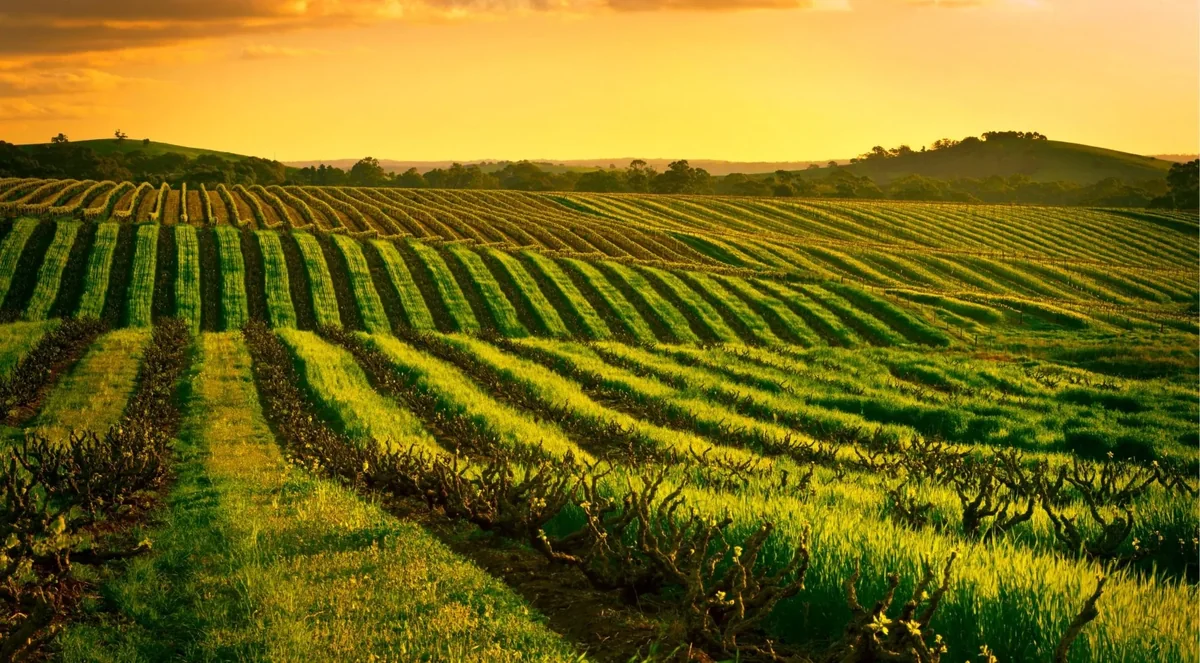
With more than 150 wineries across the Barossa, choosing where to taste can quickly become harder than organising the rest of your trip. Barossa winery directory
And simply searching for the “best wineries in Barossa Valley” doesn’t solve the problem.
The winery that’s best for a serious Shiraz collector may be completely wrong for someone who wants gardens, lunch and a relaxed first tasting. A historic estate can be fascinating even if its standard tasting isn’t the most intimate. A small cellar door may pour superb wine but make little sense for a large group.
So rather than pretending there is one definitive ranking, this guide answers a more useful question:
Which Barossa winery is best for the experience you actually want?
The calendar below is for a boutique wine tour with lunch, capped at six guests. It collects from Barossa accommodation and names Château Tanunda as a typical stop. Confirm any must-visit winery before booking; this tour does not cover all ten cellar doors.
Check Availability
Best Barossa Valley Wineries: Quick Picks
| Winery | Best for |
|---|---|
| Langmeil Winery | Old vines and Barossa history |
| Seppeltsfield | Wine history and 100-year-old Tawny |
| Yalumba | Heritage, variety and first-time visitors |
| Torbreck | Serious Shiraz and premium reds |
| Two Hands Wines | Understanding vineyard differences |
| Château Tanunda | Grand historic estate + Shiraz experiences |
| Artisans of Barossa (e-bike itinerary) | Comparing several small producers in one stop |
| Hentley Farm | Intimate premium tasting + food |
| Elderton Wines | Friendly family-owned cellar door |
| Rockford Wines | Traditional Barossa atmosphere |
If you have only one day, don’t try to visit all ten.
For most people, three or four wineries is plenty.
The goal should be to choose wineries that feel different from one another.
In the sections below, Seppeltsfield and Yalumba have specific on-site bookable experiences, while Artisans is included on a cycling tour. Langmeil and Torbreck are possible requested stops on the boutique day, and Château Tanunda is on the premium Adelaide itinerary. These are different products, not one route through this table.
1. Langmeil Winery: Best for Old Vines and Barossa History
If you want to understand why Barossa’s old vineyards matter, Langmeil is one of the strongest places to start.
The winery is home to The Freedom vineyard, planted in 1843 and widely described as containing some of the world’s oldest surviving Shiraz vines.
The historic vineyard is part of the visit’s appeal; access and the wines poured depend on the experience you book.
You can choose between regular seated tastings and more specialised experiences focused on the property’s old-vine heritage.
See Langmeil’s vineyard history and Freedom Experience. No tour on this site includes the specialist Freedom tasting, so book it direct and arrange your own transport.
Choose Langmeil if:
- old vines interest you
- Shiraz is a priority
- you like winery history
- you want more than a modern tasting room
- this is your first serious introduction to Barossa heritage
Best pairing: Langmeil + a much more contemporary winery later in the day.
2. Seppeltsfield: Best for Wine History
If Langmeil is about old vines, Seppeltsfield is about old wine.
Founded in 1851, the estate is famous for its Centennial Collection — an uninterrupted line of single-vintage Tawny dating back to the nineteenth century.
Visitors can book experiences that go well beyond a normal cellar-door flight.
The Seppeltsfield Centennial Cellar tour and 100-year-old Tawny tasting is a specific on-site experience; arrange your own transport. GetYourGuide labelled it a new activity when checked on 23 September 2026, so this is an itinerary match rather than a review-based recommendation.
Seppeltsfield has also developed into much more than a tasting room, with food, art, craft and retail experiences alongside the winery and cellar door.
Choose Seppeltsfield if:
- history matters as much as wine
- you’d like to taste fortified wine
- you want a large destination winery
- you’re interested in a behind-the-scenes experience
- you’re travelling with people who want more than just tastings
Maybe skip it if:
Your ideal day is entirely about tiny boutique producers and informal tastings.
Best pairing: Seppeltsfield + a smaller nearby producer.
3. Yalumba: Best All-Rounder for First-Time Visitors
Yalumba is particularly easy to recommend to someone who wants one winery that combines history, attractive grounds and a broad wine range.
Established in 1849, it remains family-owned and operates from an historic estate. The on-site cooperage also gives visitors something genuinely different from a conventional cellar door.
The wine range is useful for beginners because you aren’t limited to a single narrow style.
You can encounter:
- Shiraz
- Grenache
- Cabernet-Shiraz
- Viognier
- Riesling
- fortified wines
- other varieties
That makes Yalumba a useful first tasting of the trip.
Check the current Yalumba Wine Room experiences; a flight will not necessarily include every variety above. The Yalumba Cooperage tour and tasting meets at the estate and is advertised on weekdays excluding public holidays. It was labelled a new activity when checked on 23 September 2026. Cooperage access requires that specific experience.
Choose Yalumba if:
- you’re new to Barossa wine
- your group has different wine preferences
- you like historic properties
- you want grounds worth exploring
- you’d like something broader than an all-Shiraz tasting
4. Torbreck: Best for Serious Shiraz Drinkers
If your idea of a Barossa trip is primarily Shiraz, Torbreck should be high on the shortlist.
The winery specialises in Rhône-inspired wines and works extensively with old-vine Shiraz, Grenache and Mataro.
Its cellar-door offering ranges from introductory tastings to deeper premium experiences.
Compare Torbreck’s cellar-door experiences. Torbreck is not a listed stop on the tours here, so book it direct.
Choose Torbreck if:
- Shiraz is the main reason you’re visiting
- you already know something about wine
- premium wines interest you
- you want to explore old-vine reds
- you’re happy paying for a more focused experience
Maybe skip the premium tasting if:
This is your first wine tasting ever.
You’ll probably get more value from a broader introductory tasting first.
5. Two Hands Wines: Best for Understanding Why Vineyard Location Matters
Two Hands is another strong choice for Shiraz drinkers, but the angle is slightly different.
Its philosophy puts considerable emphasis on showing how different vineyard sites produce different expressions of Shiraz.
This makes it particularly interesting after you’ve already learned the basics.
Book a Two Hands cellar-door tasting or compare its vineyard experiences; these have different durations and inclusions.
Instead of asking:
“Do I like Shiraz?”
you can start asking:
“Why does this Shiraz taste different from the last one?”
Choose Two Hands if:
- you’re interested in terroir
- you want to compare Shiraz from different areas
- you enjoy structured tastings
- vineyard experiences appeal to you
- you want something more educational
6. Château Tanunda: Best for a Grand Historic Winery Experience
Château Tanunda offers something visually very different from the smaller Barossa cellar doors.
Established in 1890, the large château and surrounding grounds give the visit a sense of occasion before you’ve even started tasting.
But the property isn’t only about architecture.
Its experiences can include:
- standard tastings
- Shiraz-focused experiences
- old-vine comparisons
- private château tours
- vineyard-focused experiences
The Adelaide premium wine day includes a Château Tanunda tasting and time to explore. It does not promise the estate’s separate Old Vine Expressions tasting, private château tour or vineyard experience.
Choose Château Tanunda if:
- you want an impressive historic setting
- this is your first Barossa visit
- you want to learn about Shiraz
- old-vine comparisons interest you
- someone in your group values the setting as much as the wine
7. Artisans of Barossa: Best for Tasting Several Producers in One Place
This is one of the smartest stops for visitors who want variety.
Artisans of Barossa isn’t a single winery in the conventional sense. It brings together wines from a collective of independent producers.
That means one cellar-door stop can expose you to numerous winemaking approaches.
You can book directly with Artisans of Barossa. The gourmet food and wine e-bike tour also lists an Artisans Rarities tasting and Yalumba, starting at Yalumba in Angaston. It is a cycling day, not an Adelaide hotel-transfer tour.
Choose Artisans of Barossa if:
- you want maximum variety
- boutique producers interest you
- you don’t want every stop to be a famous historic estate
- Grenache interests you
- you want food and wine in one location
Especially useful for beginners
If you aren’t sure which Barossa producer you like, this can be a highly efficient way to discover several without driving to each one separately.
8. Hentley Farm: Best for an Intimate Premium Experience
Hentley Farm has a very different feel from the large historic estates.
The cellar door occupies a heritage cottage, offers curated seated tastings and focuses on single-estate wines.
This makes it a strong choice if you want to slow down rather than rush between cellar doors.
Reserve the Hentley Farm cellar-door tasting and restaurant separately. The cellar door has no orderable food menu; a tasting booking does not include lunch.
Choose Hentley Farm if:
- you prefer intimate tastings
- premium wine is important
- you’d like to combine tasting and lunch
- you don’t enjoy crowded cellar doors
- you prefer fewer, longer winery visits
Don’t squeeze it into an overloaded day
Hentley makes much more sense as one of two or three substantial stops than as winery number five in a tasting marathon.
9. Elderton Wines: Best for an Approachable Family-Owned Cellar Door
Elderton offers a good middle ground between major destination wineries and tiny boutique tasting rooms.
The family-owned winery is based in Nuriootpa and offers seated tastings across a diverse range that includes Shiraz, Cabernet, Grenache, GSM, Riesling and alternative varieties.
Choose Elderton if:
- you want a friendly seated tasting
- you’re interested in family-owned wineries
- you want several varieties rather than Shiraz only
- you want something approachable but still distinctly Barossa
- you’re staying around Nuriootpa
Good for mixed groups
A broad portfolio helps when one person wants serious Shiraz and another would rather try Riesling, rosé or something less familiar.
Check Elderton’s current tasting selection when reserving; the wines poured vary by flight and release.
10. Rockford Wines: Best for Traditional Barossa Character
Rockford is a strong contrast to polished contemporary cellar doors.
Its tasting area sits among historic stone buildings, and the winery emphasises traditional Australian winemaking and fruit from old Barossa vineyards.
That gives the visit a deliberately old-school feel.
Rockford’s visitor information currently limits groups to six; contact the cellar door to arrange a booking.
Choose Rockford if:
- traditional Barossa wine appeals to you
- you like historic settings
- smaller groups suit you
- you want a strong contrast with modern tasting rooms
- you’re interested in classic Australian wine styles
Particularly useful in a mixed itinerary
Pair Rockford with somewhere contemporary such as Artisans of Barossa or Two Hands.
The contrast tells you more about Barossa than visiting three wineries with essentially the same style of tasting room.
Which Barossa Winery Is Best for Shiraz?
If Shiraz is your main priority, shortlist:
Torbreck – for serious premium Shiraz
Two Hands – for comparing vineyard sites
Langmeil – for historic old-vine Shiraz
Château Tanunda – for structured Shiraz and old-vine experiences
Rockford – for a traditional Barossa interpretation
But don’t visit all five in one day.
Three Shiraz-heavy tastings can already be plenty.
A more balanced itinerary could be:
Langmeil → Artisans of Barossa → lunch → Torbreck
That gives you old vines, multiple producers and a more premium Shiraz finish.
Which Barossa Winery Is Best for Old Vines?
Langmeil is the obvious starting point because of the Freedom vineyard planted in 1843.
Château Tanunda is also particularly useful because its old-vine tasting is designed around comparing wines from vineyards of different ages.
Torbreck works extensively with old-vine Shiraz, Grenache and Mataro, while Elderton and other Barossa producers also draw on historic vineyards.
If old vines are the main reason for your trip, consider a private tour rather than a generic group itinerary so you can deliberately build the day around them.
Which Winery Is Best for History?
I’d choose between Seppeltsfield, Langmeil, Yalumba and Château Tanunda.
But they represent different kinds of history.
Langmeil
Best for vineyard history.
Seppeltsfield
Best for historic wine and fortified-wine cellars.
Yalumba
Best for a working historic family winery, including its unusual cooperage.
Château Tanunda
Best if you want the grand architectural winery experience.
You don’t need all four.
Choose the type of history that actually interests you.
Best Barossa Winery for Beginners
For a first winery ever, I’d lean toward:
Yalumba or Artisans of Barossa.
Why?
Because both give you variety.
At a broader tasting, you can learn something more basic but more useful:
Do I prefer Shiraz, Grenache, Riesling or something else entirely?
Once you know that, your next winery becomes much easier to choose.
Best Barossa Winery for Serious Wine Lovers
Consider:
- Torbreck
- Two Hands
- Hentley Farm
- Langmeil
- premium experiences at Château Tanunda
Book two or three deeper tastings instead of six basic ones.
Best Winery If You Want Food Too
Hentley Farm is a strong option if restaurant dining is part of the plan.
Artisans of Barossa also combines tasting with contemporary regional food.
Seppeltsfield gives you several food choices across a larger estate.
If lunch matters as much as wine, choose your restaurant first and build the tasting schedule around it.
Famous Winery or Boutique Winery?
Try one of each.
Famous winery advantages
You often get:
- impressive properties
- deeper historical interpretation
- large wine ranges
- sophisticated visitor facilities
- premium experiences
Boutique winery advantages
You may get:
- smaller groups
- more personal service
- unusual wines
- less familiar producers
- a stronger sense of discovery
A good Barossa day doesn’t need to choose between them.
The contrast is what makes the itinerary interesting.
Should You Visit Jacob’s Creek?
Jacob’s Creek is undoubtedly one of the best-known Australian wine brands.
For international visitors who know the brand and want to see where it comes from, that alone can make it worthwhile.
One specific option is the Jacob’s Creek Perfect Picnic, which lists an on-site vineyard tour, tasting and picnic. This is a self-arrival estate experience, not a guided day with transport.
But if you have only three winery slots and your main goal is understanding what makes Barossa specifically distinctive, I’d prioritise a mixture of heritage, boutique wine, old vines and premium tasting rather than choosing wineries simply because you’ve seen their bottles before.
What About Henschke?
Henschke deserves a mention, but there is an important geographic distinction.
Its cellar door is at Keyneton in Eden Valley, within the wider Barossa region rather than the Barossa Valley GI itself.
Check the Henschke cellar door and specialist experiences before planning the detour.
If you’re planning a wider Barossa wine trip, particularly if you’re interested in premium wine, Henschke can absolutely be worth the detour.
If you’re specifically building a compact Barossa Valley cellar-door route, the wineries in the main list are easier to combine geographically.
How Many Barossa Wineries Can You Visit in One Day?
For most visitors:
3–4 wineries
is the sweet spot.
A realistic day might be:
10:00 — Winery 1
11:30 — Winery 2
13:00 — lunch
15:15 — Winery 3
Add a fourth only if some tastings are short.
Five or six sounds productive when you’re planning from home.
In reality it often means rushing tastings, watching the clock, arriving late, drinking too much and remembering less.
You came to taste wine, not complete a checklist.
A Good First-Time Barossa Winery Itinerary
If I were choosing three contrasting wineries for a first visit, I’d use this logic:
Stop 1: Langmeil
Learn about Barossa’s history and old vines.
Stop 2: Artisans of Barossa
Compare several producers and varieties.
Stop 3: Torbreck or Two Hands
Finish with a more focused Shiraz experience.
This gives you:
history + variety + serious Barossa red wine
without repeating the same style three times.
Best Itinerary for History
Yalumba → Château Tanunda → Seppeltsfield
Best Itinerary for Shiraz Lovers
Langmeil → Two Hands → Torbreck
Best Itinerary for Food and Wine
Artisans of Barossa → Hentley Farm lunch/tasting → one final cellar door
Best Itinerary for Old Vines
Langmeil → Château Tanunda old-vine tasting → Torbreck
Do You Need to Book Barossa Wineries?
Increasingly, yes.
Policies vary.
Some wineries accept walk-ins, while others require or strongly recommend bookings.
For weekends, premium tastings and any winery you consider a must, book ahead.
Do You Need a Wine Tour to Visit These Wineries?
No.
You can book cellar doors yourself and drive between them.
That’s ideal if:
- you know exactly which wineries you want
- you’re staying locally
- one person won’t be drinking
- you enjoy planning
An organised tour makes more sense if:
- everyone wants to taste
- you’re travelling from Adelaide
- this is your first visit
- you don’t want to coordinate reservations
- you prefer having a local guide
For the journey from Adelaide, compare the full-day tour and DIY plans.
How to Choose Your Own Three Wineries
Instead of choosing the three most famous names, choose three different experiences.
For example:
Option A
Historic + boutique + premium
Option B
Old vines + lunch + modern tasting room
Option C
Shiraz specialist + multi-producer cellar door + fortified wine
That’s much more likely to produce a memorable day than:
famous winery + famous winery + famous winery
Frequently Asked Questions
How many wineries are there in the Barossa Valley?
Barossa tourism lists more than 150 wineries across the wider Barossa region. Wineries and visitor-facing cellar doors are different counts; check each venue before travelling.
Do Barossa cellar doors charge for tastings?
Many charge a tasting fee, with premium flights priced separately. Refunds against purchases depend on the winery and experience. Compare our tasting-cost guide and check the current booking terms.
What are the best wineries in Barossa Valley?
There isn’t one universal ranking. Langmeil is excellent for old vines, Seppeltsfield for history, Torbreck for Shiraz, Artisans of Barossa for tasting multiple boutique producers, Hentley Farm for a more intimate premium experience and Yalumba for an excellent all-round first visit.
What winery should a first-time visitor choose?
Yalumba or Artisans of Barossa are particularly useful because they expose you to a broad range of wines rather than focusing too narrowly on one premium style. The Yalumba cooperage experience includes a tasting; the e-bike day visits both estates and needs a full-day plan.
Which Barossa winery is best for Shiraz?
Torbreck, Two Hands, Langmeil and Château Tanunda are all strong options, depending on whether you prioritise premium wine, vineyard comparisons, old vines or guided Shiraz experiences. The boutique wine day for six often includes Château Tanunda; book Langmeil, Torbreck, Two Hands or specialist premium flights direct.
Which winery has the oldest Shiraz vines?
Langmeil is home to the Freedom vineyard, planted in 1843.
How many wineries should you visit in Barossa?
Three or four in one day is enough for most people. Choose contrasting cellar doors rather than trying to maximise the number.
Which Barossa Wineries Are Actually Worth Visiting?
The useful answer is:
the ones that give you something different from your previous stop.
If you visit Barossa for the first time, don’t spend the whole day chasing a list of famous labels.
Instead, build contrast.
See an historic vineyard. Taste several independent producers. Try serious Shiraz. Have lunch somewhere beautiful. Compare old vines with younger ones. And leave enough time to actually talk to the people pouring the wine.
The best itinerary is the one that matches what you actually want to discover about Barossa.
Explore Barossa wine tasting tours →
Related guides:
Taste the Barossa Without Nominating a Driver
Four cellar doors, a regional platter lunch and hotel pickup in Adelaide or Glenelg. Free cancellation up to 24 hours before you go.
Check Availability & Book