Barossa Shiraz Guide
Barossa and Shiraz are practically synonyms, but the wine isn't one fixed style. What Barossa Shiraz tastes like, Shiraz vs Syrah, what old vines actually means, and where to compare styles.
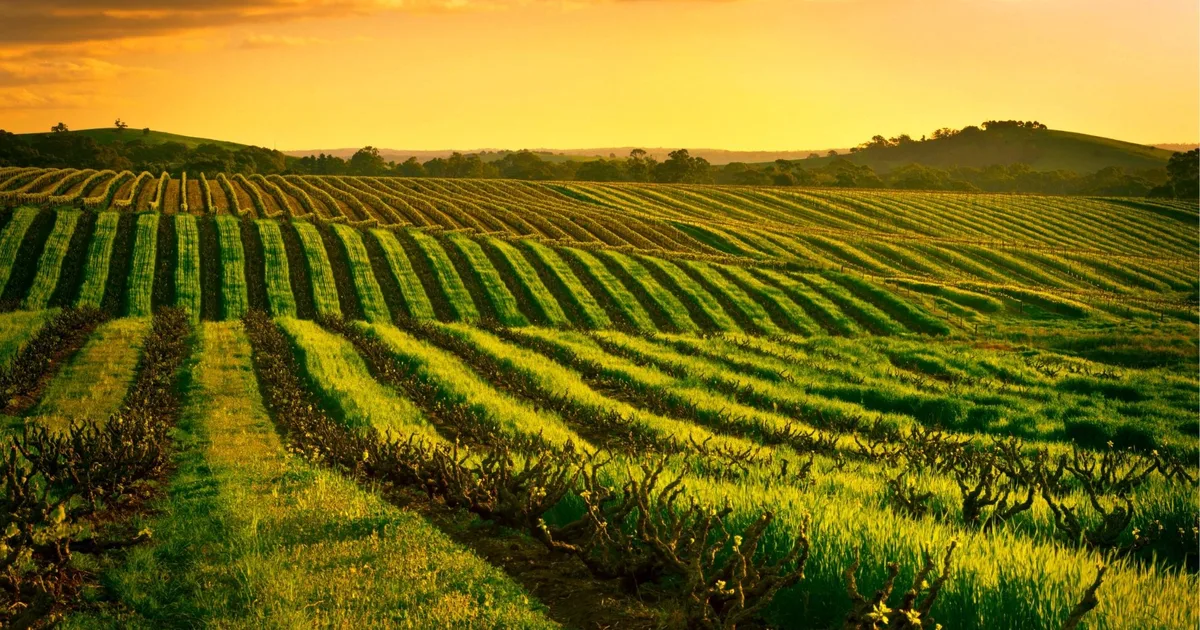
Barossa and Shiraz are so closely connected that for many wine drinkers, one immediately suggests the other. The region is one of Australia’s best-known Shiraz areas, famous for full-bodied reds, ripe dark fruit, generous texture and some extraordinarily old vineyards.
But describing all Barossa Shiraz as simply “big and powerful” misses much of what makes it interesting. Two Shiraz wines made a short distance apart can taste surprisingly different — vineyard elevation, soil, aspect, vine age, growing conditions and winemaking choices all shape what ends up in the glass.
Check Availability
For visitors, that makes Shiraz particularly rewarding to taste in the Barossa itself. Instead of trying one bottle and deciding whether you like Barossa Shiraz, you can compare several styles in a day and discover how varied the region really is.
What Is Barossa Shiraz?
Barossa Shiraz is Shiraz made from grapes grown in the Barossa wine region of South Australia. The wider Barossa zone incorporates both the warmer Barossa Valley and the higher, generally cooler Eden Valley, which helps explain why the term can cover quite different wine styles.
Shiraz is particularly important in the Barossa Valley, where the warm Mediterranean climate suits full-bodied red wines, and the region is also home to some exceptionally old Shiraz vineyards, including vines dating back to the nineteenth century. That combination of climate, old vineyards, varied growing sites and a long winemaking tradition is at the heart of Barossa Shiraz’s reputation.
Why Is the Barossa Famous for Shiraz?
There isn’t one single reason.
1. Shiraz suits the climate
The Barossa Valley has warm, dry summers, relatively low humidity and plenty of sunshine during the growing season. Those conditions let Shiraz grapes ripen fully, producing the concentrated fruit flavours and structure associated with many classic Barossa reds.
2. The Barossa has exceptionally old vines
Some Barossa vineyards contain vines that have survived for well over a century, and these aren’t planted for tourism or historical interest — they remain productive vineyards whose fruit is still used to make wine. Barossa’s Old Vine Charter recognises vineyards in four age categories:
| Classification | Vine age |
|---|---|
| Barossa Old Vine | 35+ years |
| Barossa Survivor Vine | 70+ years |
| Barossa Centenarian Vine | 100+ years |
| Barossa Ancestor Vine | 125+ years |
The charter was introduced in 2009 to recognise and protect the Barossa’s old-vine heritage. Barossa Old Vine Charter
3. Barossa Shiraz isn’t one single style
This may be the most interesting reason to taste it in the region. Different parts of the Barossa vary in soil, rainfall, temperature, elevation, slope and aspect, and winemaking choices add another layer — so “Barossa Shiraz” isn’t one fixed flavour profile. That’s exactly why comparing several wines at different cellar doors can be more revealing than simply ordering one famous bottle. Our cellar door guide covers how a tasting actually works if you haven’t done one before.
What Does Barossa Shiraz Taste Like?
A typical Barossa Valley Shiraz may show flavours and aromas such as:
- blackberry
- plum
- black cherry
- dark berries
- liquorice
- spice
- chocolate
- savoury notes
It’s usually medium- to full-bodied, though richer, more powerful examples are common. Tannins give the wine structure, while good acidity keeps the fruit from feeling overly heavy — but don’t expect every tasting to give you the same combination. A wine from one vineyard may feel dense and dark; another may be fresher, more aromatic or more savoury.
Is Barossa Shiraz Always Heavy?
No. The region certainly became internationally famous for rich, concentrated Shiraz, and those wines remain an important part of its identity, but rich doesn’t automatically mean clumsy or overwhelmingly heavy. Well-balanced Shiraz can combine ripe fruit with acidity, tannin and savoury character.
If you’ve tried one very powerful Barossa Shiraz in the past and decided the style wasn’t for you, it’s still worth keeping an open mind when tasting in the region. Ask your cellar-door host for something:
- fresher
- more elegant
- less oak-driven
- more savoury
- single-vineyard
- from a cooler site
You may discover a Barossa Shiraz very different from the one you had in mind.
Shiraz vs Syrah: What’s the Difference?
Shiraz and Syrah are the same grape variety. The difference is primarily in naming and, sometimes, the style a producer wants to communicate. Syrah is the traditional French name, particularly associated with the Rhône Valley; Shiraz is the name most strongly associated with Australia. Some Australian producers use Syrah on the label when their wine is stylistically closer to a lighter, fresher or more savoury expression — but that doesn’t mean Shiraz and Syrah are fundamentally different grapes. They’re the same.
Does Shiraz taste different from Syrah?
It can — but because of where and how the grapes are grown and how the wine is made, not because the varieties differ. Broadly speaking, wines labelled Shiraz are often associated with riper fruit and greater richness, while wines labelled Syrah are often associated with savoury character, pepper and freshness. These are conventions, not strict rules.
Barossa Valley Shiraz vs Eden Valley Shiraz
This is an especially useful comparison if you’re tasting around the wider Barossa region.
Barossa Valley
The valley floor and lower areas are generally warmer, which tends to favour Shiraz with fuller body, ripe dark fruit, generous texture, depth and concentration.
Eden Valley
Eden Valley lies at higher elevations and has cooler growing conditions overall. Its Shiraz can be more perfumed or elegant, though individual vineyard sites vary significantly. The distinction isn’t as simple as “Barossa Valley = powerful” and “Eden Valley = elegant”, but tasting Shiraz from both is an excellent way to understand how place affects wine.
Why Do Different Barossa Shiraz Wines Taste Different?
Walk into several Barossa cellar doors and you may hear words such as site, soil, aspect, elevation, old vines and single vineyard repeatedly. They matter because grapes don’t grow in identical conditions throughout the Barossa. Then the winemaker adds another layer — fermentation methods, extraction, barrel type, oak age, blending and maturation can all affect the final wine.
That’s why comparing Shiraz is more interesting than asking only “What does Barossa Shiraz taste like?” A better question is: “How many different ways can Barossa Shiraz taste?”
What Does “Old Vine Shiraz” Mean?
Unlike terms such as Champagne, “old vine” has no single universal legal age definition. The Barossa has addressed this through its own Old Vine Charter: vines aged 35 years or more qualify as Barossa Old Vines, with additional classifications at 70, 100 and 125 years.
If a cellar door offers an old-vine tasting, ask:
- How old are the vines?
- Where is the vineyard?
- Are they dry-grown?
- Is this a single-vineyard wine?
- Can I compare it with Shiraz from younger vines?
The comparison may be more interesting than simply drinking the most expensive wine on the list.
Does an Older Vine Automatically Mean Better Wine?
No. Vine age alone doesn’t guarantee quality — a well-managed younger vineyard can make excellent wine, while old vines still need an appropriate site, healthy fruit and good winemaking. What old vineyards offer is rarity, history and distinctive vine material, and in some cases very low yields and concentrated fruit. So when a premium old-vine Shiraz costs much more than another wine, you’re paying partly for scarce fruit, low yields, vineyard history, site, production methods, ageing and reputation. Whether it’s worth it to you is exactly the kind of thing a comparative tasting can help answer.
How Old Are the Oldest Shiraz Vines in the Barossa?
Exceptionally old. Langmeil Winery’s Freedom vineyard contains Shiraz vines planted in 1843, widely described as among the world’s oldest surviving Shiraz vines. Langmeil Winery For visitors, this means “old vine” in the Barossa can refer to something much more remarkable than a marketing phrase — you may genuinely be tasting wine from vines that have survived generations of change in Australian agriculture and winemaking.
Where Can You Taste Barossa Shiraz?
Almost any serious Barossa wine itinerary includes Shiraz, but different wineries offer different ways of approaching it. Rather than trying to identify one “best” winery, choose cellar doors that let you compare different kinds of Shiraz experience. These are examples rather than a definitive ranking — the Barossa has a large number of producers making Shiraz, from major names to small boutique wineries, and our guide to the best Barossa wineries covers the fuller list.
Château Tanunda — useful for structured Shiraz and old-vine comparisons.
Langmeil — particularly interesting if old vineyards and wine history are the reason you’re visiting.
Torbreck — a strong choice for premium and old-vine reds.
Yalumba — useful if you want Shiraz in a broader context alongside Grenache, Cabernet-Shiraz and other important Australian styles.
Is It Better to Visit Famous Shiraz Wineries or Small Producers?
Ideally, try both.
Famous wineries
Larger or internationally recognised producers can offer historic estates, highly polished tasting rooms, broad wine ranges, premium and museum wines, and structured tasting experiences.
Smaller wineries
Boutique producers may offer more personal tastings, direct contact with the winemaker, small-production wines, unusual vineyard sites, and wines that are difficult to find outside the region — the kind of access the boutique wine tour capped at six guests on this site is built around.
Neither is automatically better. For a first Barossa trip, a mix usually makes for a more interesting day.
What Is a Single-Vineyard Shiraz?
A single-vineyard wine comes from grapes grown in one specified vineyard rather than fruit blended from several sites. For visitors, single-vineyard Shiraz can be particularly useful because it lets you explore how one place influences the wine. Try comparing:
- a winery’s regional Barossa Shiraz
- one of its single-vineyard Shiraz wines
- a premium old-vine Shiraz
The price usually increases as you move through those categories, but the more interesting question is whether you can actually taste why.
Is Expensive Barossa Shiraz Worth It?
Sometimes. But don’t assume the most expensive wine will automatically be the one you enjoy most. Premium Barossa Shiraz may cost more because it comes from exceptionally old vines, a highly regarded vineyard, selected barrels or limited production. During a tasting, compare the entry-level and premium Shiraz before looking too closely at the price — you may prefer the premium wine, or you may discover that the mid-range bottle is the one you’d actually want to drink.
What Food Goes Well with Barossa Shiraz?
Popular pairings include:
- grilled beef
- steak
- lamb
- slow-cooked meat
- barbecue
- roast meats
- hard cheeses
- mushroom dishes
- rich vegetarian dishes
But food pairing depends heavily on the individual wine. If you’re having lunch at a Barossa winery, ask what the producer recommends with its Shiraz rather than following a generic rule — see our best wineries for lunch guide for stops built around exactly that.
Barossa Shiraz for Beginners: What Should You Taste First?
If you’re new to Shiraz, don’t begin with the rarest and most expensive bottle. A useful progression might be:
- regional Barossa Shiraz
- single-vineyard Shiraz
- old-vine Shiraz
- premium or museum-release Shiraz
Ask the host to explain what changes between each wine. You don’t need to identify everything correctly — simply asking “Which one do I actually prefer?” is enough.
Can You Do a Barossa Shiraz-Focused Wine Tour?
Yes, although not every general Barossa wine tour is specifically designed around Shiraz — see our wine tour vs wine tasting guide if you’re not sure which format you actually want. If Shiraz is your main interest, look for tours or private itineraries that include wineries specialising in Shiraz, old-vine vineyards, premium tastings, single-vineyard wines and comparative Shiraz flights. A private Barossa wine tour gives you the greatest chance of tailoring the itinerary around specific producers.
Is Barossa Shiraz Worth Trying If You Don’t Usually Like Shiraz?
Yes — especially if your opinion is based on only one or two bottles. Tell the cellar-door host what you normally drink. For example: “I usually find Shiraz too heavy. Do you have a fresher or more elegant style?” A knowledgeable host should be able to guide you toward something closer to your preferences.
Is Shiraz the Only Wine Worth Tasting in the Barossa?
Definitely not. Don’t overlook:
- Grenache
- GSM blends
- Cabernet Sauvignon
- Mataro/Mourvèdre
- Riesling, particularly from Eden Valley
- Semillon
- fortified wines
A day consisting of nothing but powerful Shiraz tastings can become tiring — mixing varieties usually makes the experience much more interesting.
The Best Way to Understand Barossa Shiraz Is to Taste It
You can read tasting notes describing blackberry, plum, spice and liquorice. You can learn about old vines, soils and vineyard elevation. But Barossa Shiraz makes much more sense once you have several glasses side by side.
Try a regional wine against a single-vineyard version. Compare younger vines with old vines. Taste a rich valley-floor Shiraz followed by something from a cooler site. That’s when “Barossa Shiraz” stops being one style of red wine and becomes a much more interesting question: which Barossa Shiraz style do you prefer?
Frequently Asked Questions
What is Barossa Shiraz?
Barossa Shiraz is Shiraz produced from grapes grown within the Barossa wine region in South Australia.
What does Barossa Shiraz taste like?
Typical examples are medium- to full-bodied with ripe dark-fruit flavours such as blackberry and plum, often accompanied by spice, liquorice and savoury notes.
Is Barossa Shiraz sweet or dry?
Barossa Shiraz is normally a dry red wine.
Is Shiraz the same as Syrah?
Yes. Shiraz and Syrah are two names for the same grape variety.
Why is Barossa Shiraz famous?
Its reputation rests on a combination of suitable growing conditions, a long winemaking history, diverse vineyard sites and an exceptional heritage of old Shiraz vines.
Are there really 100-year-old Shiraz vines in the Barossa?
Yes. The Barossa has multiple vineyards containing Shiraz vines more than a century old.
Where are the oldest Barossa Shiraz vines?
Langmeil’s Freedom vineyard contains Shiraz planted in 1843 and is widely described as among the world’s oldest surviving Shiraz vines.
Is old-vine Shiraz better?
Not automatically. Vine age can contribute rarity and distinctive character, but vineyard quality and winemaking still matter.
Taste the Barossa Without Nominating a Driver
Four cellar doors, a regional platter lunch and hotel pickup in Adelaide or Glenelg. Free cancellation up to 24 hours before you go.
Check Availability & Book